
Easy Meditation for Beginners: Meditation Techniques for Absolute Beginners

Starting a meditation practice can feel overwhelming if you have no prior experience. However, meditation is a simple and effective way to reduce stress, improve focus, and enhance overall well-being. This guide will introduce you to easy meditation techniques designed specifically for absolute beginners. By the end, you will have practical tools to start your own meditation journey confidently.
Easy Meditation for Beginners: Getting Started
Meditation does not require any special equipment or a specific place. You can begin anywhere, anytime. The key is to find a quiet spot where you can sit comfortably without distractions. Start with just 5 to 10 minutes a day and gradually increase the duration as you feel more comfortable.
Here are some simple steps to begin:
Find a comfortable position: Sit on a chair or cushion with your back straight but relaxed.
Close your eyes: This helps minimize visual distractions.
Focus on your breath: Pay attention to the sensation of air entering and leaving your nostrils or the rise and fall of your chest.
Notice your thoughts: When your mind wanders, gently bring your focus back to your breath without judgment.
This basic practice is the foundation of many meditation styles and is perfect for beginners.
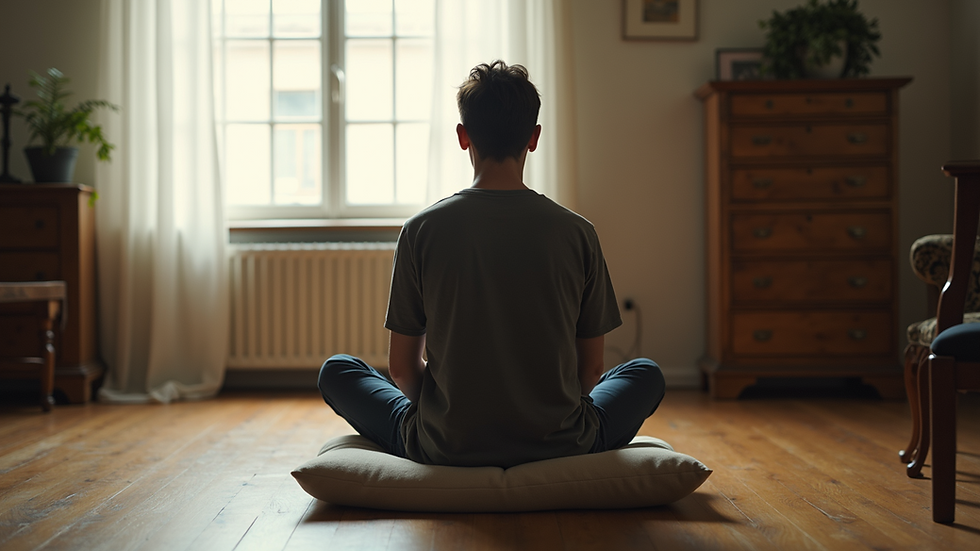
Different Meditation Techniques to Try
There are many meditation techniques, but some are especially suited for beginners. Here are a few easy methods to explore:
1. Mindfulness Meditation
Mindfulness meditation involves paying attention to the present moment without trying to change it. You observe your thoughts, feelings, and bodily sensations as they arise.
Sit quietly and focus on your breath.
When thoughts come, acknowledge them and let them pass like clouds.
Return your attention to your breathing.
This practice helps increase awareness and reduce stress.
2. Guided Meditation
Guided meditation uses audio or video instructions to lead you through a meditation session. This can be helpful if you find it difficult to meditate on your own.
Use apps or online videos designed for beginners.
Follow the instructor’s voice and visualization prompts.
Practice regularly to build confidence.
3. Body Scan Meditation
This technique involves mentally scanning your body from head to toe, noticing any tension or discomfort.
Lie down or sit comfortably.
Slowly focus on each part of your body, starting from your toes.
Breathe into areas of tension and consciously relax them.
Body scan meditation promotes relaxation and body awareness.
4. Loving-Kindness Meditation
Also called Metta meditation, this practice focuses on cultivating feelings of compassion and kindness toward yourself and others.
Repeat phrases like “May I be happy, may I be healthy.”
Extend these wishes to loved ones, acquaintances, and even people you find challenging.
This meditation fosters positive emotions and empathy.

Can You Teach Yourself to Meditate?
Absolutely. Meditation is a skill that anyone can learn with practice. While some people benefit from classes or guided sessions, many successfully teach themselves by following simple instructions and practicing regularly.
Here are some tips for self-teaching meditation:
Start small: Begin with short sessions and gradually increase time.
Be consistent: Meditate daily to build a habit.
Use resources: Books, apps, and videos can provide guidance.
Be patient: It’s normal for your mind to wander; gently bring it back.
Create a routine: Meditate at the same time each day to make it a habit.
Remember, meditation is a personal journey. There is no right or wrong way to do it. The most important thing is to keep practicing.
Tips for Making Meditation a Daily Habit
Building a meditation habit can be challenging, but these strategies can help:
Set a specific time: Morning or evening works well for many people.
Create a dedicated space: A quiet corner with a cushion or chair.
Start with guided sessions: Use apps like Headspace or Calm.
Track your progress: Use a journal or app to note your sessions.
Be kind to yourself: Don’t get discouraged by distractions or missed days.
By integrating meditation into your daily routine, you will experience its benefits more deeply over time.
Exploring Meditation for Beginners Resources
If you want to dive deeper into meditation, there are many resources available. For those looking for structured guidance, meditation for beginners offers excellent tips and step-by-step instructions. These resources can help you explore different styles and find what works best for you.
Remember, meditation is a journey, not a destination. With patience and practice, you will develop a practice that supports your mental and emotional well-being.
Starting meditation is easier than you think. With these easy meditation techniques for beginners, you can begin your practice today and enjoy the many benefits it offers. Whether you choose mindfulness, guided meditation, or loving-kindness, the key is to start small, be consistent, and stay patient with yourself. Your mind and body will thank you.


Comments